Phone: 07385701071 | Address: Shop no 1 & 2, S.no. 27/3/6, Cambridge Internatinal School Rd, Punawale,Pune

Root Canal Treatment in Punawale – Pain, Procedure, Cost & Expert Care By Dr. Gayatri Narkhede – Dentist in Punawale
Blog post description.
5/28/20263 min read
Root Canal Treatment in Punawale – Pain, Procedure, Cost & Expert Care
Severe tooth pain can disrupt sleep, concentration, and daily life. In many cases, the cause is an infected tooth nerve — and the most effective solution is Root Canal Treatment (RCT).
If you are searching for:
● Root canal treatment in Punawale
● Is root canal painful?
● RCT cost in Punawale
● Best dentist near Wakad or Ravet for root canal
This guide explains everything clearly so you can make an informed decision.
What Is Root Canal Treatment?
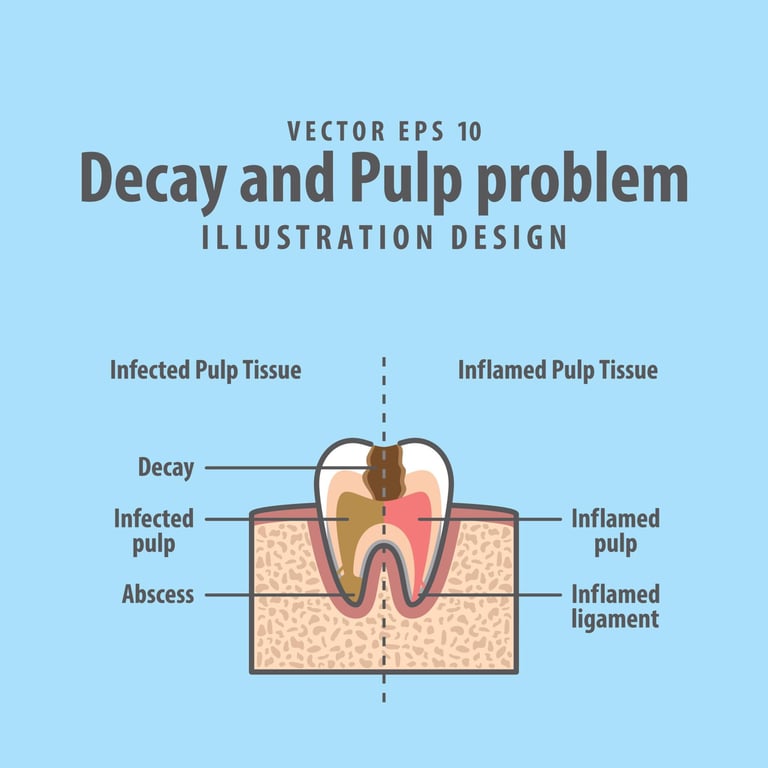
A root canal treatment is a procedure that removes infected or inflamed pulp (nerve tissue) inside a tooth, disinfects the canal, and seals it to prevent reinfection.
Contrary to common fear, modern RCT is a pain-relieving procedure, not a painful one.
The goal is simple:
● Eliminate infection
● Relieve pain
● Save the natural tooth
● Avoid extraction
Saving your natural tooth is always preferable to removing it.
Signs You May Need a Root Canal
You may require RCT if you experience:
● Severe tooth pain while chewing
● Lingering sensitivity to hot or cold
● Swelling of gums
● Darkening of the tooth
● Pus discharge or gum boil
● Pain that worsens at night
Ignoring these symptoms can lead to abscess formation and spread of infection.
Early treatment prevents complications.
Is Root Canal Painful?
This is the most common question.
With modern anesthesia techniques and advanced rotary instruments, root canal treatment is typically no more uncomfortable than a dental filling.
Pain occurs because of infection.
The procedure removes the infection — and therefore removes the pain.
Post-procedure mild soreness for 1–2 days is normal and manageable.
Fear of pain is outdated thinking. Technology has evolved.
Step-by-Step Root Canal Procedure
1. Diagnosis and X-ray
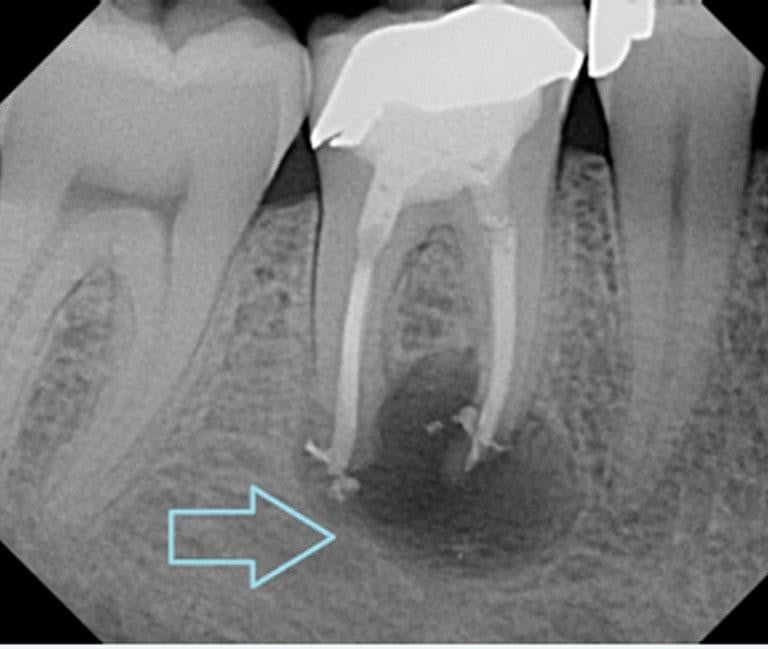
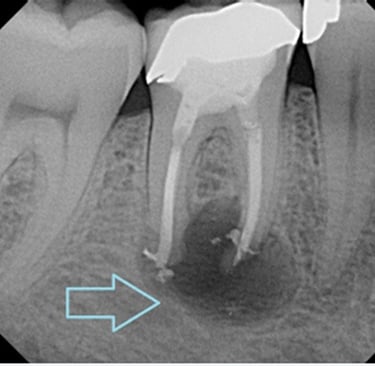
A digital dental X-ray confirms infection and root structure.
2. Local Anesthesia
The tooth is completely numbed.
3. Cleaning the Canal
Infected pulp is removed using precision rotary instruments.
4. Disinfection
The canal is thoroughly disinfected.
5. Sealing
The canal is sealed with biocompatible material to prevent reinfection.
6. Crown Placement
In most cases, a dental crown is recommended to strengthen the treated tooth.
The entire process may be completed in single sitting or multiple sittings depending on infection severity.
Single Sitting vs Multiple Sitting RCT
Single Sitting RCT:
● Suitable for controlled infections
● Faster completion
● Fewer appointments
Multiple Sitting RCT:
● Needed for severe infection or swelling
● Allows medication placement inside the canal
The decision depends on clinical findings, not convenience alone.
Root Canal Treatment Cost in Punawale
Cost of RCT depends on:
● Tooth location (front vs molar)
● Complexity of root canals
● Infection severity
● Crown type selected
● Technology used
A proper evaluation and X-ray are required before final cost estimation.
Choosing quality treatment reduces long-term complications and repeat procedures.
Why Not Extract the Tooth Instead?
Extraction may seem simpler — but it creates new problems:
● Gap affects chewing
● Adjacent teeth shift
● Bone loss occurs
● Replacement (implant/bridge) becomes more expensive
Saving your natural tooth is always biologically superior when possible.
Root canal preserves structure and function.
Aftercare Following Root Canal
After RCT:
● Avoid chewing on treated side until crown placement
● Maintain oral hygiene
● Attend follow-up appointments
● Get permanent crown to prevent fracture
Proper aftercare ensures long-term success.
Why Early Treatment Matters in Punawale, Wakad & Ravet
In rapidly growing residential areas like Punawale and nearby Wakad and Hinjawadi, many patients delay dental visits due to busy schedules.
Unfortunately, delay allows infection to worsen.
Early consultation:
● Prevents abscess
● Avoids facial swelling
● Reduces treatment complexity
● Lowers overall cost
Prompt dental evaluation saves time, money, and discomfort.
Frequently Asked Questions (FAQ)
1. How long does root canal treatment take?
Single sitting RCT may take 45–90 minutes. Complex cases may require 2–3 visits.
2. Will I need a crown after RCT?
Yes, especially for back teeth, to prevent fracture and restore strength.
3. Can infection return after root canal?
If properly done and sealed, success rate is high. Poor hygiene or delayed crown placement increases risk.
4. Is RCT safe?
Yes. It is a routine and widely performed dental procedure worldwide.
5. What happens if I don’t treat an infected tooth?
Infection may spread, causing swelling, abscess, bone damage, and systemic issues.
My Approach to Root Canal Treatment
Every case involves:
Accurate diagnosis
Digital X-ray evaluation
Precision rotary instrumentation
Thorough disinfection protocol
Proper sealing
Long-term restoration planning
The focus is not just completing the procedure — but ensuring durable results.
Final Thoughts
Root canal treatment is not something to fear. It is a scientifically proven method to relieve pain and preserve your natural tooth.
Delaying treatment only increases infection risk and treatment complexity.
If you are experiencing persistent tooth pain or sensitivity, early evaluation is recommended.
Dr. Gayatri Narkhede
Dental Surgeon
Punawale | Near Wakad | Ravet | Hinjawadi
For consultation and evaluation, schedule an appointment for comprehensive dental assessment.
Contact Us
Phone : 07385701071
Address: Shop no 1 & 2, Survey No. 27/3/6, Cambridge International School Rd, Punawale, Pimpri Chinchwad, Pune- 411033
© 2025. All rights reserved. Vitalink Multispecialty Clinic Punawale