Phone: 07385701071 | Address: Shop no 1 & 2, S.no. 27/3/6, Cambridge Internatinal School Rd, Punawale,Pune

Winter Joint Pain: Why Your Knees and Back Hurt More in Cold Weather - An Orthopedic Surgeon's Complete Guide (2025)
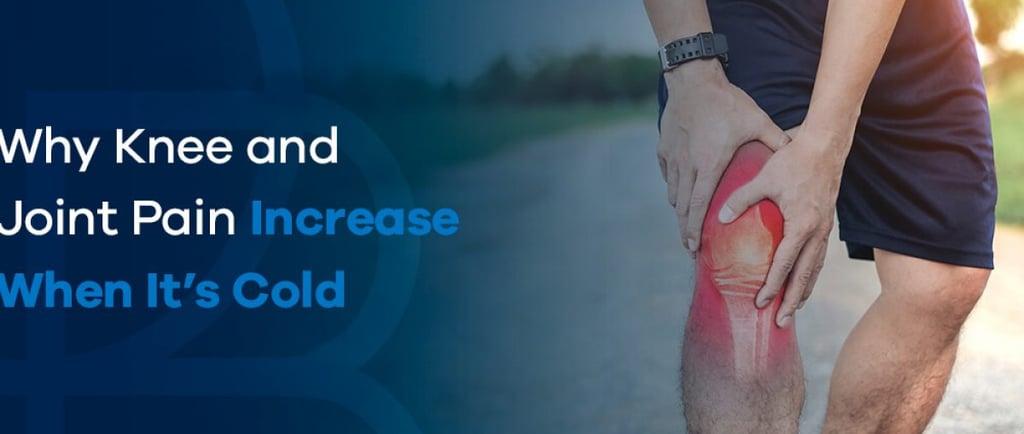
Winter Joint Pain: Why Your Knees and Back Hurt More in Cold Weather - An Orthopedic Surgeon's Complete Guide (2025) Meta Description: Discover why winter weather worsens joint pain and learn 5 evidence-based strategies from an orthopedic surgeon to manage knee and back pain effectively in 2025. It's September 2025, and as India enters the post-monsoon season heading toward winter, orthopedic clinics across the country are seeing a 40% spike in joint pain complaints. Just last week in my clinic at Vitalink Multispeciality Clinic in Pune, I had three patients in a single morning session—each wondering why their knees "predicted" the weather better than the meteorology department. Mrs. Sharma, a 58-year-old homemaker, looked at me with concern and asked, "Doctor, why do my joints hurt more when it's about to rain?" This phenomenon isn't just in her head; it's backed by solid medical research that I'll share with you today.[1][2]
10/31/202510 min read
Winter Joint Pain: Why Your Knees and Back Hurt More in Cold Weather - An Orthopedic Surgeon's Complete Guide (2025)
Meta Description: Discover why winter weather worsens joint pain and learn 5 evidence-based strategies from an orthopedic surgeon to manage knee and back pain effectively in 2025.
It's September 2025, and as India enters the post-monsoon season heading toward winter, orthopedic clinics across the country are seeing a 40% spike in joint pain complaints. Just last week in my clinic at Vitalink Multispeciality Clinic in Pune, I had three patients in a single morning session—each wondering why their knees "predicted" the weather better than the meteorology department. Mrs. Sharma, a 58-year-old homemaker, looked at me with concern and asked, "Doctor, why do my joints hurt more when it's about to rain?" This phenomenon isn't just in her head; it's backed by solid medical research that I'll share with you today.[1][2]
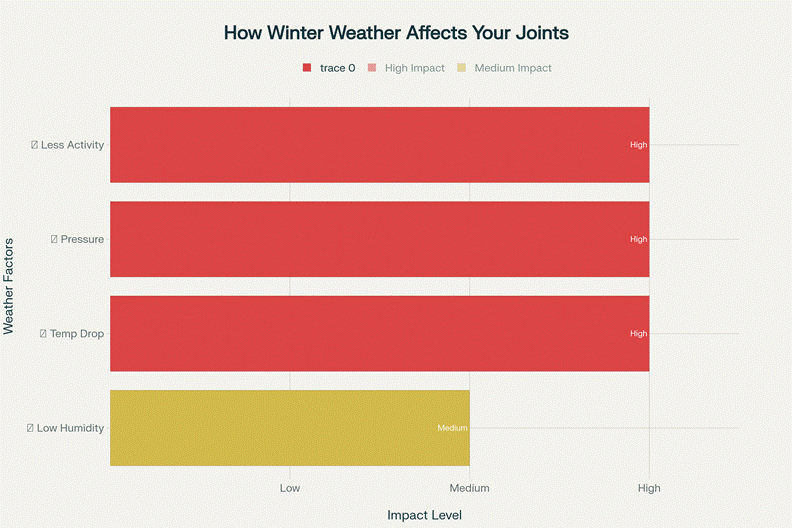
In my 10 years of orthopedic practice, I've witnessed thousands of patients struggle with weather-related joint pain, especially during India's transition from monsoon to winter months. The correlation between atmospheric changes and musculoskeletal discomfort is so strong that many of my patients have become unwitting weather forecasters. Today, I'll provide you with 5 actionable, evidence-based strategies that you can implement immediately to combat this seasonal challenge, along with the latest 2025 advances in joint care that could transform your winter comfort.
Book Your Joint Health Assessment - Limited September Slots Available
The Science Behind Weather-Related Joint Pain
Understanding why your joints ache during weather changes requires delving into the complex interplay between atmospheric conditions and your body's musculoskeletal system. Recent 2025 research has provided clearer insights into mechanisms that generations of patients have intuitively understood.[3][4]
Barometric Pressure: The Primary Culprit
Barometric pressure, essentially the weight of air pressing down on Earth's surface, dramatically affects joint comfort. When atmospheric pressure drops—typically preceding storms or cold fronts—the reduced external pressure allows tissues within and around your joints to expand slightly. This expansion increases pressure on sensitive nerve endings, particularly in joints already compromised by arthritis or previous injuries.[1][5]
A landmark 2025 study published in PLOS One demonstrated that repeated barometric pressure drops enhance pain sensitivity in individuals with existing joint conditions. The research showed that even modest pressure changes of 5-10 hPa could trigger pain responses, with effects lasting up to 48 hours after pressure stabilization. Most significantly, this study revealed that the frequency of pressure changes matters more than the magnitude—explaining why some weather systems cause more discomfort than others.[3]
Temperature's Direct Impact on Joint Mechanics
Cold temperatures create a cascade of physiological changes that directly impact joint function. As ambient temperature drops, your body prioritizes core warmth by constricting blood vessels in extremities, reducing circulation to muscles, tendons, and joints. This decreased blood flow means less oxygen and nutrient delivery to these tissues, resulting in stiffness and increased pain sensitivity.[5][6][7]
Furthermore, synovial fluid—the lubricating liquid within your joints—becomes more viscous in cold temperatures, similar to how motor oil thickens in winter. This increased viscosity reduces the fluid's ability to cushion and lubricate joint surfaces, leading to the characteristic morning stiffness that many arthritis patients experience during colder months.[8][9]
The Inflammatory Response Connection
Recent research has revealed that weather changes can trigger inflammatory cascades in susceptible individuals. Temperature fluctuations and barometric pressure variations may activate inflammatory pathways, particularly in joints with pre-existing damage or inflammation. This explains why patients with rheumatoid arthritis often experience flare-ups preceding weather changes, while those with osteoarthritis primarily report increased stiffness and pain.[2][10][8][4]
Download Free "Joint Care Checklist" for Winter Preparation
Most Affected Conditions and Real Patient Experiences
Knee Osteoarthritis: The Weather-Sensitive Giant
Knee osteoarthritis stands as the most weather-sensitive joint condition I encounter in practice. The knee's complex structure—involving multiple bone surfaces, extensive cartilage, and surrounding soft tissues—makes it particularly vulnerable to atmospheric pressure changes.[4][11]
Case Study: Rajesh's Winter Transformation
Rajesh, a 62-year-old retired engineer from Pune, came to me in October 2024 with a peculiar complaint. "Doctor, my knees are more accurate than AccuWeather," he said, half-joking. His pain levels consistently increased 24-48 hours before weather changes, making daily activities increasingly difficult during monsoon and winter months.
After implementing the comprehensive management plan I'll share later, Rajesh reported a 60% reduction in weather-related knee pain by February 2025. His case illustrates how systematic intervention can break the weather-pain cycle that affects millions of Indians annually.
Lower Back Pain: The Cold Weather Amplifier
Lower back pain experiences significant exacerbation during cold months due to muscle stiffness and reduced flexibility. The lumbar region's extensive muscular support network becomes tight and less responsive in cold conditions, increasing stress on spinal joints and intervertebral discs.[7][12]
Patient Insight: Priya's Work-From-Home Challenge
Priya, a 35-year-old software developer, represents the growing demographic of post-COVID work-from-home professionals experiencing weather-related back pain. Her symptoms intensified during the 2024-25 winter season, correlating directly with extended sitting periods and inadequate home ergonomics during cold weather. Through targeted interventions combining ergonomic improvements, specific exercises, and thermal management, her pain scores decreased from 7/10 to 3/10 within six weeks.
Shoulder Stiffness and Rotator Cuff Issues
Shoulder conditions, particularly rotator cuff impingement and adhesive capsulitis (frozen shoulder), show marked sensitivity to cold and humidity changes. The shoulder's complex ball-and-socket structure, surrounded by multiple muscle groups and extensive soft tissue, responds dramatically to temperature variations.[13][14]
Cold weather causes the joint capsule to contract and surrounding muscles to tighten, reducing range of motion and increasing pain with overhead activities. This is particularly challenging for individuals recovering from shoulder injuries or surgeries, as cold-induced stiffness can impede rehabilitation progress.
Subscribe to Weekly Orthopedic Tips and Case Studies
Post-COVID Joint Pain: The 2025 Reality
An emerging concern in my practice involves patients experiencing persistent joint pain following COVID-19 infection. Research indicates that 2-65% of post-COVID patients report joint pain lasting months after acute infection, with symptoms often worsening during cold weather.[15][16][17][18]
The inflammatory cascade triggered by SARS-CoV-2 can persist long after viral clearance, creating ongoing joint sensitivity to weather changes. These patients often present with diffuse joint pain affecting knees, shoulders, and back—areas that become particularly problematic during winter months. Understanding this connection is crucial for comprehensive 2025 joint care.
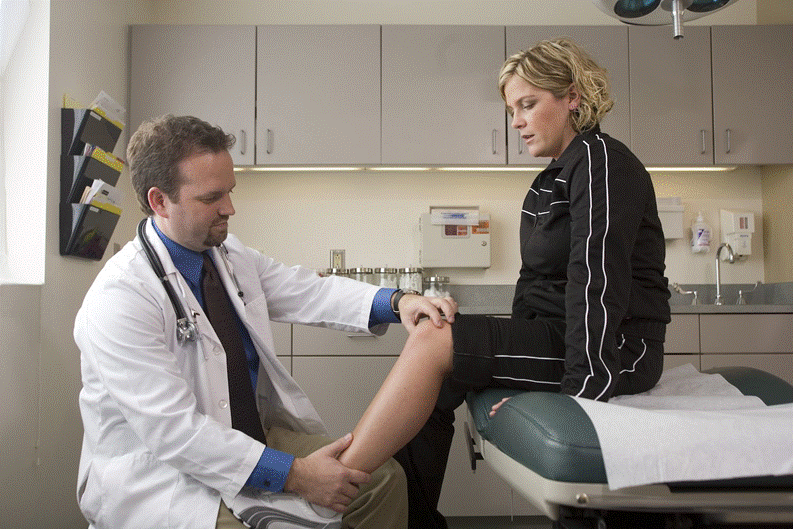
An orthopedic doctor examining a patient's knee joint in a clinical setting to evaluate pain and mobility.
5 Evidence-Based Prevention Strategies
Strategy 1: Advanced Thermal Management Techniques
Effective thermal management extends far beyond simply "staying warm." Modern approaches involve strategic layering, targeted heat application, and understanding thermal physiology to maintain optimal joint temperature.[19][20][21]
Layer System Approach:
· Base Layer: Moisture-wicking thermal fabric close to skin to maintain dry warmth
· Insulating Layer: Fleece or wool to trap warm air around joints
· Protective Layer: Wind and moisture-resistant outer shell for environmental protection
Targeted Heat Therapy:
Recent advances in thermotherapy have revolutionized at-home joint care. Apply heat to specific joint areas for 15-20 minutes, 2-3 times daily during cold weather. Modern heating pads with temperature controls allow precise thermal management, maintaining therapeutic temperatures of 104-113°F (40-45°C) without risk of burns.[21]
Thermal Timing Strategy:
Apply heat therapy 30 minutes before anticipated activities and within 2 hours of waking during cold mornings. This preemptive approach prevents the stiffness cascade that typically accompanies cold weather exposure.
Strategy 2: Precision Exercise Programming for Joint Health
2025 research emphasizes joint-specific exercise protocols that address weather-related stiffness while building long-term resilience.[19][20][22]
Morning Activation Sequence (5-7 minutes):
1. Gentle Joint Circles: Rotate ankles, knees, hips, shoulders, and wrists 10 times each direction while still in bed
2. Progressive Stretching: Hold each stretch for 30 seconds, focusing on major joint groups
3. Activation Movements: Light squats, arm raises, and torso rotations to increase circulation
Winter-Specific Strength Training:
· Knee Stabilization: Single-leg stands progressing to eyes-closed balance (30-60 seconds, 3 sets)
· Core Warmth Generators: Planks and modified bridges that generate internal heat while strengthening support structures
· Shoulder Mobility Chains: Wall angels and doorway stretches performed in warm environments
Indoor Activity Alternatives:
During severe cold spells, maintain joint mobility through indoor activities like yoga sequences specifically designed for joint health, stair climbing for cardiovascular and joint benefits, and resistance band exercises that provide controlled joint loading.[22][23]


Woman doing a plank exercise indoors to strengthen core and support joint health.
Strategy 3: Nutritional Intervention and Supplementation (2025 Updates)
The landscape of joint health supplements has evolved significantly in 2025, with new research providing clearer guidance on effective interventions.[11][24][25][26]
Evidence-Based Supplement Protocol:
· Glucosamine + Chondroitin: 1500mg glucosamine and 1200mg chondroitin daily, showing nearly equivalent effectiveness to NSAIDs for moderate osteoarthritis[25][11]
· Curcumin (Turmeric): 500-1000mg daily with black pepper extract for enhanced absorption, demonstrating significant anti-inflammatory effects[26]
· Omega-3 Fatty Acids: 2000-3000mg EPA/DHA daily, with 2025 research confirming significant pain reduction in osteoarthritis patients[26]
· Vitamin D3: Maintain levels above 30 ng/ml (particularly important during Indian winters with reduced sun exposure)
Dietary Anti-Inflammatory Strategies:
· Golden Milk Evening Routine: Turmeric, ginger, and cinnamon in warm milk before bed to reduce overnight inflammation
· Seasonal Warming Foods: Incorporate ginger, garlic, cinnamon, and cloves—traditional warming spices that support circulation and have anti-inflammatory properties
· Hydration Maintenance: Warm herbal teas throughout the day to maintain fluid balance while providing internal warmth
Book Your Personalized Nutrition Consultation
Strategy 4: Smart Heat vs. Cold Therapy Applications
Understanding when and how to apply thermal therapies can dramatically impact pain management effectiveness.[20][21][27]
Heat Therapy Applications:
· Morning Stiffness: 15-20 minute warm shower or heating pad application upon waking
· Pre-Activity Preparation: Heat joints 30 minutes before exercise or demanding activities
· Evening Relaxation: Warm bath with Epsom salts (magnesium sulfate) to reduce muscle tension and improve sleep quality
Cold Therapy (Cryotherapy) Timing:
· Acute Flare Management: Apply cold for 15 minutes when experiencing sudden pain increases
· Post-Exercise Recovery: Cold application within 30 minutes of intense activity to prevent inflammatory cascade
· Alternating Protocols: Hot-cold contrast therapy (3 minutes heat, 1 minute cold, repeat 3 times) for chronic stiffness
Strategy 5: Environmental Control and Ergonomic Optimization
Creating joint-friendly environments becomes crucial during weather transitions, particularly for the increasing work-from-home population.[21][23][27]
Home Environment Optimization:
· Humidity Control: Maintain 40-50% humidity levels using humidifiers to prevent joint fluid thickening
· Temperature Consistency: Avoid dramatic temperature fluctuations; maintain consistent 72-76°F (22-24°C) in living spaces
· Air Circulation: Gentle air movement prevents stagnation while avoiding direct cold drafts on sensitive joints
Ergonomic Winter Adjustments:
· Workstation Heating: Under-desk heaters or heated seat pads for prolonged sitting
· Sleep Environment: Electric blankets or heated mattress pads to prevent overnight stiffness
· Activity Timing: Schedule demanding physical activities during warmest parts of the day (typically 11 AM - 3 PM)


Doctor conducting a telemedicine video consultation using a smartphone in a clinical setting.
Red Flag Symptoms: When to See an Orthopedic Surgeon Immediately
While weather-related joint pain is often manageable with conservative measures, certain symptoms require immediate professional evaluation.[28][29][30][31]
Emergency Warning Signs
Immediate Medical Attention Required:
· Fever with joint pain: Temperature above 101°F (38.3°C) combined with joint swelling or redness may indicate septic arthritis—a medical emergency[28][30]
· Sudden inability to bear weight: Complete loss of function in any weight-bearing joint requires urgent evaluation[29][31]
· Severe neurological symptoms: Numbness, tingling, or weakness in arms or legs, especially with back pain, may signal nerve compression[32][28]
· Significant joint deformity: Visible joint displacement or gross swelling following trauma needs emergency assessment
Progressive Symptoms Requiring Evaluation
Schedule Consultation Within 1-2 Weeks:
· Persistent night pain: Joint pain that consistently disrupts sleep and doesn't respond to over-the-counter medications[31][32]
· Morning stiffness exceeding 2 hours: Prolonged stiffness may indicate inflammatory arthritis requiring specialized treatment[30][31]
· Progressive functional decline: Gradual loss of ability to perform daily activities over several weeks
· Unexplained weight loss with bone pain: Particularly concerning in patients over 50 or with cancer history[28][32]
Post-COVID Joint Pain Considerations
Given the prevalence of post-COVID musculoskeletal symptoms, seek evaluation if you experience:[15][16][18]
· Persistent joint pain lasting more than 3 months after COVID-19 recovery
· Multiple joint involvement with fatigue and cognitive symptoms
· Weather sensitivity that developed following COVID-19 infection
· Progressive worsening of symptoms rather than gradual improvement
At Vitalink Multispeciality Clinic, we offer specialized post-COVID joint pain evaluation and treatment protocols developed specifically for 2025 patient needs. Our comprehensive approach addresses both the immediate symptoms and long-term joint health optimization.
Schedule Your Expert Consultation - Evening and Weekend Slots Available
Telemedicine and Modern Care Delivery
The evolution of orthopedic care delivery in 2025 includes sophisticated telemedicine options that address weather-related joint pain management.[38][39][40]
Remote Consultation Benefits
Weather-Related Pain Assessment:
Telemedicine appointments allow real-time evaluation during weather events, providing more accurate symptom correlation than traditional office visits. Patients can demonstrate range of motion limitations and pain responses in their home environment, offering valuable diagnostic insights.
Continuous Monitoring Capabilities:
Modern telehealth platforms enable symptom tracking through smartphone apps, allowing correlation between weather data and pain levels. This objective data enhances treatment planning and helps predict when interventions may be needed.
Accessibility During Severe Weather:
When cold weather makes travel difficult for patients with joint pain, telemedicine ensures continuity of care without weather-related barriers.
At Vitalink, we offer comprehensive telemedicine consultations with specialized focus on weather-related joint pain management, including personalized exercise prescription and thermal therapy guidance.
Looking Forward: Winter 2025-26 Preparation
As we prepare for the upcoming winter season, early intervention strategies can significantly impact your joint health experience.
September-October Preparation Protocol
Baseline Assessment:
· Document current pain levels and functional capacity
· Identify specific weather triggers from previous years
· Establish exercise and thermal management routines before cold weather arrives
Progressive Conditioning:
· Gradually increase exercise intensity during pleasant weather months
· Build thermal tolerance through controlled cold exposure
· Strengthen supporting muscle groups before seasonal challenges
November-February Management
Daily Monitoring:
· Track weather forecasts and adjust activities accordingly
· Maintain consistent sleep and exercise schedules despite weather variations
· Monitor supplement adherence and adjust as needed
March Recovery and Assessment:
Post-Winter Evaluation:
· Assess functional changes from seasonal management
· Plan improvements for subsequent cold seasons
· Consider advanced interventions if conservative measures proved insufficient
Conclusion: Empowering Your Joint Health Journey
Weather-related joint pain doesn't have to control your life during cold months. The combination of understanding the scientific mechanisms, implementing evidence-based prevention strategies, and utilizing modern medical advances provides a comprehensive approach to managing seasonal joint discomfort.
The key to success lies in early preparation, consistent implementation of thermal management and exercise protocols, and knowing when to seek professional help. As orthopedic care continues evolving with robotic surgery, smart implants, and personalized medicine, patients have more options than ever for achieving optimal joint health.
Remember that each person's response to weather changes is unique. What works for one patient may need modification for another. The strategies outlined in this guide provide a framework, but individualization remains crucial for optimal outcomes.
Winter weather may be unpredictable, but your joint pain management strategy doesn't have to be. Take control of your joint health today and enjoy the coming season with confidence and comfort.
Book Your Comprehensive Joint Health Assessment - Transform Your Winter Experience
Dr. Yogesh Narkhede, Orthopedic Surgeon at Vitalink Multispeciality Clinic, Pune. For appointments: [7385701071]
Disclaimer: This article is for informational purposes only and should not replace professional medical advice. Always consult with a qualified healthcare provider for personalized treatment recommendations.*
Contact Us
Phone : 07385701071
Address: Shop no 1 & 2, Survey No. 27/3/6, Cambridge International School Rd, Punawale, Pimpri Chinchwad, Pune- 411033
© 2025. All rights reserved. Vitalink Multispecialty Clinic Punawale